Category Archives: Uncategorized

How to Avoid Cavities in Kids: Expert Tips by Dr. Nivesh Kakkar

As parents, ensuring your child’s health is always a top priority. One of the most important aspects of their well-being is maintaining good oral health. Cavities, or tooth decay, are one of the most common dental issues in children, and they can lead to pain, discomfort, and future dental problems if left untreated. But the good news is that cavities are preventable!

At Kakkar Dentals, Dr. Nivesh Kakkar, an experienced dentist, provides expert advice on how to avoid cavities in kids. This blog will cover the causes of cavities, preventive strategies, and tips to ensure your child maintains a healthy, cavity-free smile.

What Causes Cavities in Children?

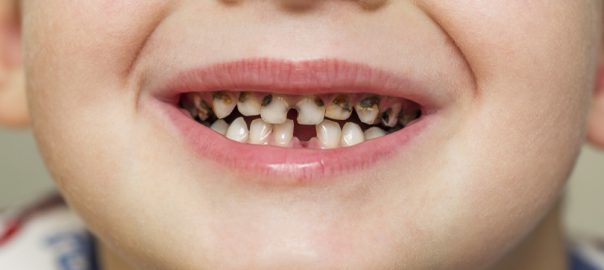
Cavities, also known as dental caries, are caused by the buildup of plaque on teeth. Plaque is a sticky film of bacteria that forms when sugars and starches from food and drink are not properly cleaned from the teeth. These bacteria produce acids that erode the enamel (the outer layer of teeth), eventually creating tiny holes, or cavities.

Several factors contribute to the development of cavities in children, including:

  1. High Sugar Intake
    Sugary snacks and drinks are a primary cause of cavities in kids. Foods like candy, cookies, and sugary drinks like soda and juice promote the growth of bacteria that lead to tooth decay.
  2. Poor Oral Hygiene
    Inadequate brushing and flossing allow plaque to build up, creating an environment for bacteria to thrive.
  3. Frequent Snacking
    Eating frequently, especially snacks that stick to teeth, increases the exposure to sugars and acids, which can lead to tooth decay.
  4. Bottle-Feeding at Bedtime
    Prolonged exposure to milk, formula, or juice from bottle-feeding at bedtime can cause cavities in young children, a condition known as baby bottle tooth decay.

Tips to Prevent Cavities in Children

Here are the key strategies recommended by Dr. Nivesh Kakkar to help parents prevent cavities in their children:

1. Start Oral Care Early

“Good oral hygiene begins even before your child has teeth,” says Dr. Kakkar.

  • Clean your baby’s gums: Before teeth come in, gently wipe your baby’s gums with a clean, damp cloth or a soft infant toothbrush to remove any milk or formula residue.
  • Brush as soon as the first tooth appears: Use a soft-bristled toothbrush and a tiny smear of fluoride toothpaste (the size of a grain of rice) to clean your baby’s first teeth.

2. Brush Twice a Day

Regular brushing is essential to keep cavities at bay.

  • Supervise brushing: Children under 6 need help with brushing to ensure all surfaces of the teeth are cleaned properly. Brush twice a day, once in the morning and once before bed.
  • Use fluoride toothpaste: Fluoride helps strengthen tooth enamel, making it more resistant to decay. For children aged 3 to 6, use a pea-sized amount of fluoride toothpaste.

3. Limit Sugary Foods and Drinks

Sugar is the primary culprit behind cavities in children. Managing your child’s diet is key to preventing tooth decay.

  • Avoid sugary snacks: Cut down on candy, cookies, and sugary cereals. Offer healthier snacks like fruits, vegetables, cheese, or yogurt.
  • Limit sugary drinks: Avoid giving sugary drinks like soda and juice frequently. Instead, encourage water, which helps rinse the mouth and neutralize acids.
  • No bottle-feeding at bedtime: Prolonged bottle-feeding with milk or juice at bedtime can lead to cavities. Only give water if your child needs a bottle to fall asleep.

4. Regular Dental Check-ups

Routine dental visits are critical to keeping your child’s teeth healthy.

  • Visit the dentist early: The American Academy of Pediatric Dentistry recommends a child’s first dental visit within six months of their first tooth eruption or by their first birthday.
  • Regular check-ups: After the first visit, regular dental check-ups every six months allow the dentist to monitor your child’s oral health and catch any potential issues early.
  • Professional cleanings: Your dentist can provide professional cleanings that remove plaque and tartar build-up, which regular brushing can’t reach.

5. Fluoride Treatments and Sealants

Dr. Kakkar emphasizes the importance of preventive treatments to further protect your child’s teeth.

  • Fluoride varnish: Applying fluoride varnish to the teeth helps strengthen enamel and can prevent or even reverse early signs of tooth decay.
  • Dental sealants: Sealants are thin protective coatings applied to the chewing surfaces of the back teeth (molars) where cavities are most likely to form. Sealants provide an extra layer of defense against plaque and food particles.

6. Encourage Drinking Water

Water is an essential ally in preventing cavities.

  • Rinsing away food particles: Water helps wash away food debris and sugars that feed cavity-causing bacteria.
  • Fluoridated water: Tap water in many areas contains fluoride, which strengthens teeth and helps prevent decay. Encourage your child to drink water throughout the day.

7. Teach Proper Brushing Technique

Teaching your child the right way to brush their teeth is crucial for cavity prevention.

  • Use gentle circular motions: Encourage your child to use small, gentle circles to clean all surfaces of their teeth. Brushing too hard can damage gums and enamel.
  • Don’t forget the back teeth: The back teeth (molars) are more likely to develop cavities, so make sure your child spends time cleaning them properly.
  • Replace toothbrushes regularly: Replace your child’s toothbrush every 3 to 4 months, or sooner if the bristles become frayed.
"It’s never too early to instill good oral hygiene habits—healthy teeth in childhood pave the way for a lifetime of strong smiles!"

The Importance of Parental Involvement

As a parent, your role in preventing cavities in your child cannot be overstated. Here are some tips to help you stay proactive in your child’s dental care:

  • Lead by example: Show your child the importance of brushing and flossing by practicing good oral hygiene yourself.
  • Create a routine: Establish a consistent brushing and flossing routine in the morning and before bedtime. Make it a fun activity by letting your child pick their own toothbrush or play their favorite song while brushing.
  • Encourage healthy habits: Promote healthy eating habits by offering tooth-friendly snacks and limiting sugary treats.

Expert Opinion from Dr. Nivesh Kakkar

“At Kakkar Dentals, we believe that prevention is always better than cure. With proper care and regular check-ups, cavities in children can be easily avoided. It’s important for parents to be involved in their child’s dental hygiene routine, starting from infancy. Educating your child about the importance of brushing, healthy eating, and visiting the dentist regularly will set the foundation for a lifetime of good oral health.”
Dr. Nivesh Kakkar

Transparent Aligners Vs. Traditional Braces

Are you dreaming of a straighter smile but unsure whether to choose traditional braces or modern transparent aligners? At Kakkar Dental Clinic, we know that understanding the differences between these two popular orthodontic treatments can help you make the best decision for your dental health and lifestyle.

Let’s break down the key differences between transparent aligners and traditional braces to help you find the perfect fit for your smile journey.

What Are Transparent Aligners?

Transparent aligners, such as Invisalign, are custom-made, clear plastic trays designed to gradually move your teeth into their ideal position. These aligners are removable, virtually invisible, and replaced every few weeks as your treatment progresses.

What Are Traditional Braces?

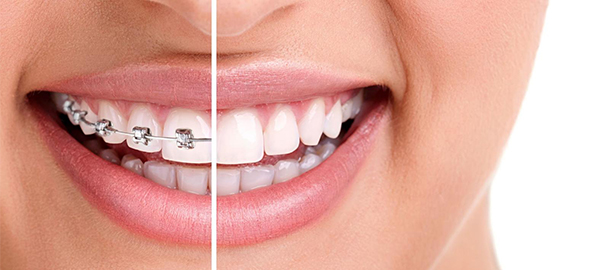
Traditional braces consist of metal brackets that are glued to the front of your teeth and connected by wires and elastics. They apply constant pressure to gradually shift your teeth into the desired alignment. Braces are typically worn for a fixed period and are adjusted by the dentist or orthodontist at regular intervals.

Key Differences Between Transparent Aligners & Traditional Braces

Let’s dive deeper into the primary differences between the two options:

1. Appearance

  • Transparent Aligners: One of the biggest advantages of transparent aligners is their near-invisible appearance. They are made of clear plastic, making them hard to notice.
  • Traditional Braces: Braces are more visible, with metal brackets and wires noticeable when you smile or speak. While ceramic or lingual braces are available for a more discreet look, they are still not as invisible as aligners.

Verdict: If appearance is a top concern, transparent aligners win hands down.

2. Comfort

  • Transparent Aligners: Aligners are custom-made from smooth plastic, meaning there are no sharp edges or metal parts to irritate your gums or cheeks.
  • Traditional Braces: Braces can sometimes cause discomfort, especially after adjustments. The metal wires and brackets can also cause irritation to the inside of your mouth.

Verdict: For overall comfort, transparent aligners offer a more pleasant experience.

3. Removability

  • Transparent Aligners: Aligners can be easily removed, allowing you to eat, drink, and clean your teeth without restrictions. However, you must wear them for 20-22 hours a day for optimal results.
  • Traditional Braces: Braces are fixed in place for the duration of the treatment, which means you must avoid certain sticky, hard, or chewy foods that could damage the wires or brackets.

Verdict: Aligners provide more flexibility and ease with eating and cleaning.

4. Effectiveness for Complex Cases

  • Transparent Aligners: While aligners are effective for many cases, they may not be suitable for more complex orthodontic issues like severe overcrowding, large gaps, or significant bite problems.
  • Traditional Braces: Braces can handle a wide range of orthodontic issues, from simple to complex. The ability to apply stronger and more precise pressure makes them a better choice for complicated cases.

Verdict: For complex orthodontic issues, traditional braces are typically more effective.

5. Maintenance & Oral Hygiene

  • Transparent Aligners: Maintaining oral hygiene is easier with aligners, as you can remove them to brush and floss your teeth normally. You will, however, need to clean the aligners daily to prevent staining.
  • Traditional Braces: With braces, maintaining oral hygiene can be challenging. Brushing and flossing around the brackets and wires requires special tools and extra time to ensure food particles don’t get trapped.

Verdict: Aligners make oral hygiene simpler and more convenient.

6. Duration of Treatment

  • Transparent Aligners: Treatment time varies but generally takes around 6 to 18 months, depending on the severity of the case and patient compliance.
  • Traditional Braces: Braces typically require a longer treatment time, usually between 18 months to 3 years, depending on the complexity of the case.

Verdict: For many cases, aligners may offer a quicker treatment option.

7. Cost

  • Transparent Aligners: Aligners tend to be more expensive due to the technology involved in creating custom trays. The cost varies depending on the complexity and length of treatment.
  • Traditional Braces: Braces are generally more affordable, especially metal braces. However, ceramic or lingual braces can raise the cost significantly.

Verdict: If you’re on a budget, traditional metal braces are typically the more cost-effective option.

8. Follow-Up Visits

  • Transparent Aligners: Aligners usually require fewer in-person visits, as new sets of trays can be provided in bulk for use over a few months.
  • Traditional Braces: Braces require regular visits to the dentist or orthodontist for tightening and adjustments every 4 to 6 weeks.

Verdict: Aligners offer more convenience with fewer appointments.

Which Option Is Right for You?

Both transparent aligners and traditional braces have their own set of advantages. Here’s a quick summary to help you decide:

  • Choose Transparent Aligners if you prioritize appearance, comfort, and convenience. They are ideal for those with mild to moderate orthodontic issues who want a discreet solution.
  • Choose Traditional Braces if you have more complex orthodontic needs or are looking for a reliable and cost-effective treatment that can handle a wide range of dental issues.

Consult the Experts at Kakkar Dental Clinic

Still unsure whether to choose transparent aligners or traditional braces? Schedule a consultation at Kakkar Dental Clinic, the leading provider of teeth aligners and braces in Ashok Vihar. Our expert team will assess your unique needs and guide you toward the best solution for your smile.

Let us help you achieve the smile of your dreams with our expert orthodontic care!

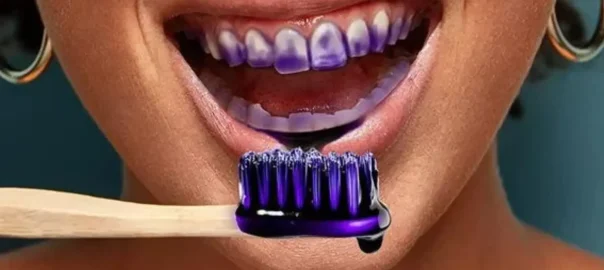
Trending Purple Tooth Whitening Paste: Is it Good for Teeth?

In today’s world, teeth whitening products have gained immense popularity, with people constantly seeking brighter, whiter smiles. One such trend in the dental care industry is the emergence of a purple tooth whitening paste. This blog aims to explore the advantages and disadvantages of using the trending purple tooth whitening paste, backed by expert opinions.

Understanding the Trending Purple Tooth Whitening Paste:

  • The purple tooth whitening paste is a recent innovation in the dental care market, offering a unique approach to teeth whitening.
  • The purple color is derived from natural ingredients, such as activated charcoal and purple pigments, which provide a visually appealing aspect to the product.
  • This toothpaste claims to not only whiten teeth but also provide additional oral health benefits, such as preventing cavities, reducing sensitivity, and eliminating bad breath.

Advantages of Using the Purple Tooth Whitening Paste:

  • Effective Whitening: The purple tooth whitening paste uses activated charcoal and other ingredients that have been studied for their teeth whitening properties. These ingredients help remove surface stains and restore the natural whiteness of teeth.
  • Natural Ingredients: Many individuals prefer the use of natural ingredients in their dental care products. The purple tooth whitening paste contains activated charcoal, known for its ability to absorb impurities and toxins, promoting overall oral health.
  • Multi-Beneficial: Apart from teeth whitening, the purple toothpaste claims to provide additional benefits such as strengthening enamel, preventing cavities, reducing dental sensitivity, and freshening breath.

Disadvantages of Using the Purple Tooth Whitening Paste:

  • Abrasive Nature: Some experts express concerns that tooth whitening pastes, including the purple variant, may be too abrasive if used excessively or with aggressive brushing techniques. This excessive abrasion can lead to enamel erosion, tooth sensitivity, and gum irritation.
  • Incomplete Research: As this trend is relatively new, there may be limited scientific studies and evidence to support the long-term safety and efficacy of the purple toothpaste. It is essential to consider this aspect before fully embracing the product.
  • Possible Staining: Although the purple tooth whitening paste aims to whiten teeth, there is a potential risk of staining if not used correctly or in excess. This may occur due to the natural pigments used in the formulation or improper brushing techniques.

Expert Opinions:

  1. Dr. Nivesh Kakkar, Head Dentist at Kakkar Dental Clinic, believes that the purple tooth whitening paste can be effective for removing surface stains. However, he emphasizes the importance of using it sparingly to prevent enamel damage.
  2. Dr. Atul Kakkar,, suggests that while the purple tooth whitening paste may offer short-term whitening benefits, individuals should also focus on maintaining good oral hygiene, including regular brushing and dental check-ups.

Conclusion: While the trending purple tooth whitening paste may hold promise, it is important to weigh its advantages and disadvantages before incorporating it into your oral care routine. Experts emphasize moderation, proper brushing techniques, and the need for further research to ensure its long-term safety. Ultimately, consulting with a dental professional is the best way to determine which teeth whitening options are suitable for your specific needs.