
Overview of Removable Dentures
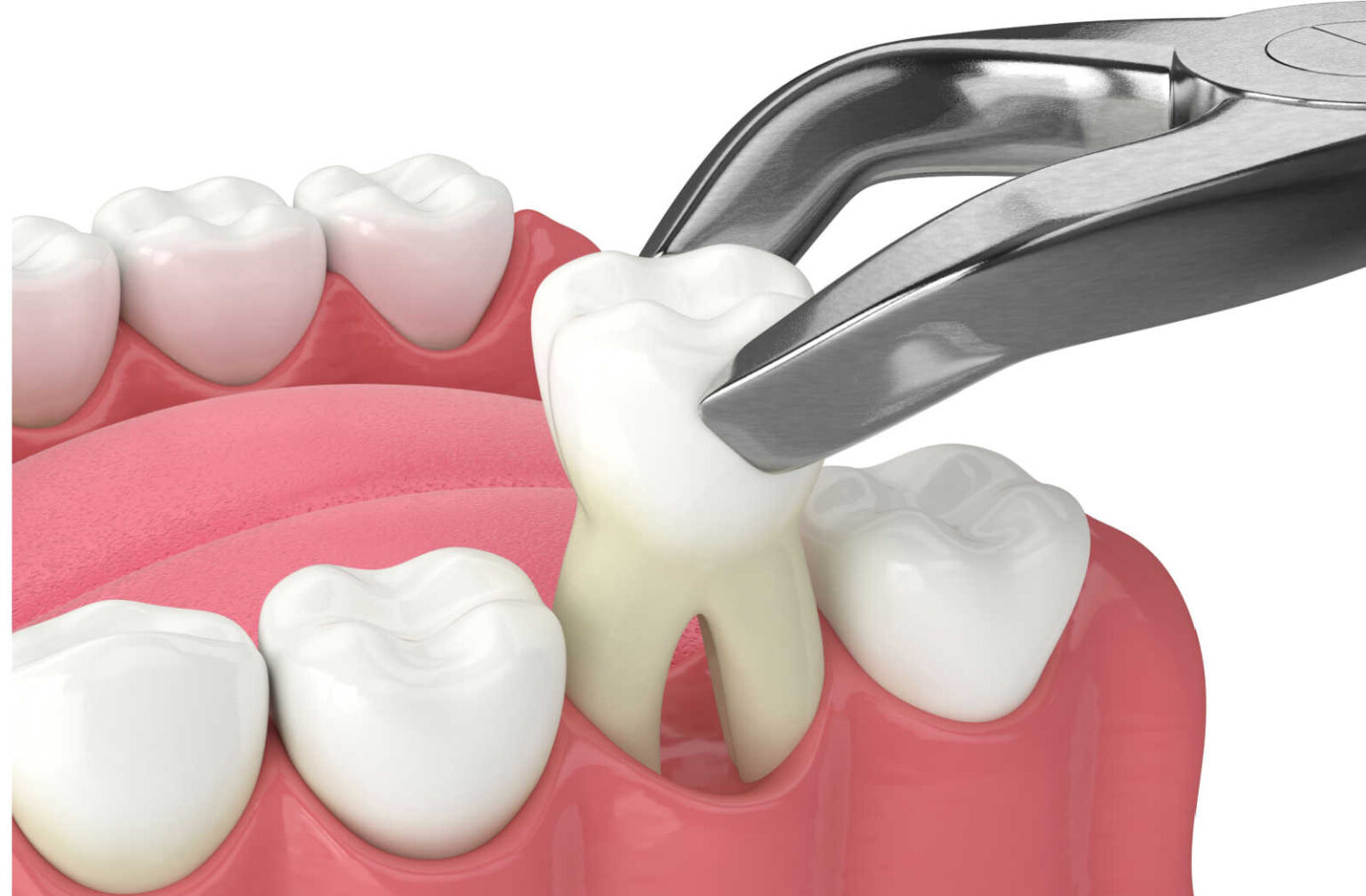
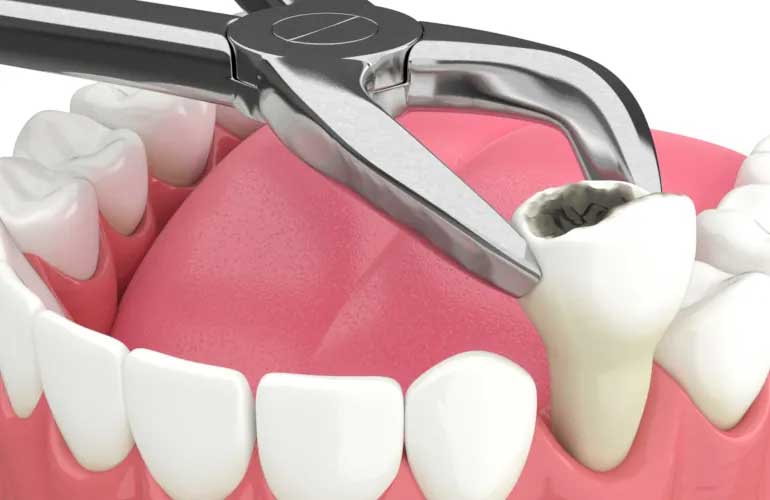
Tooth extraction is a common dental procedure that involves removing a tooth from its socket in the jawbone. This may be necessary for various dental health reasons.
When is Tooth Extraction Recommended?
- Severely decayed or infected teeth
- Impacted wisdom teeth
- Overcrowded teeth before orthodontic treatment
- Teeth that can’t be restored
Procedure Details
What Happens Before Tooth extraction?
Before extraction, your dentist will perform a thorough examination, including X-rays, to assess the tooth’s condition and plan the procedure
Sedation Options in Dentistry
Patients can choose from various sedation options, including local anesthesia, nitrous oxide (laughing gas), or general anesthesia, depending on the complexity of the extraction and patient comfort.
What Happens During Tooth Extraction?
During the procedure, the area is numbed, and the dentist carefully loosens the tooth before removing it from the socket, ensuring minimal discomfort .
What Happens After Tooth Extraction?
Post-extraction, you’ll receive instructions for care, including managing pain and preventing infection.
What is Tooth Extraction?
Tooth extraction is the surgical removal of a tooth, often due to decay, infection, crowding, or other dental issues. It is a straightforward procedure aimed at relieving pain and improving oral health.
Who Performs Tooth Extraction?
Tooth extractions are typically performed by dentists or oral surgeons trained in this procedure
Risks & Benefits
What are the Advantages of Pulling a Tooth?
• Relief from pain and infection
• Improved oral health
• Facilitates orthodontic treatment
What are the Risks of Tooth Extraction?
• Infection
• Dry socket
• Damage to adjacent teeth
What are the Side Effects of Removing a Tooth?
Common side effects may include swelling, bruising, and mild pain, which usually subside within a few days.
FAQ
No, anesthesia ensures that you won’t feel pain during the procedure
Costs vary based on the tooth’s condition and complexity; consult our clinic for an estimate.
If you received sedation, it’s best to have someone else drive you home.
Contact our clinic immediately for guidance
Yes, options like root canals or crowns may be considered depending on the situation.