
Overview of Dental Bone Graft
A dental bone graft is a procedure to restore bone loss in the jaw, often necessary for patients preparing for dental implants or experiencing bone deterioration. This treatment strengthens the foundation for a healthy, lasting smile.
Conditions Managed with a Dental Bone Graft
- Conditions Managed with a Dental Bone Graft
- Gum disease (periodontitis)
- Facial trauma or injury
- Preparation for dental implants
- Jawbone atrophy over time
What is Dental Bone Graft?
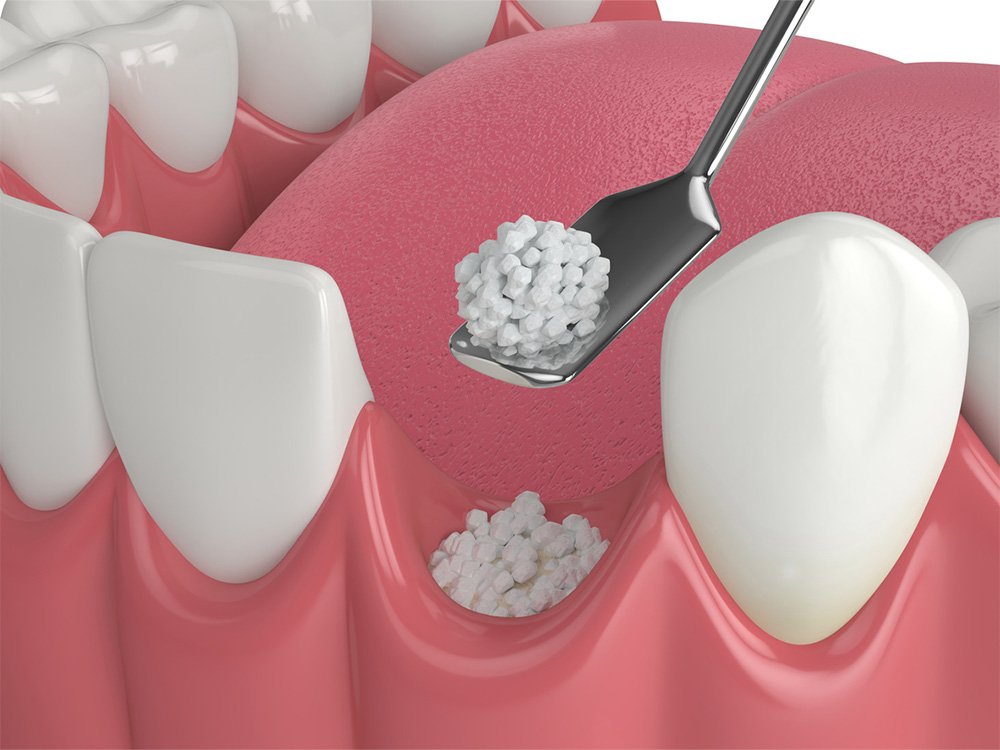
A dental bone graft involves transplanting bone tissue to rebuild and strengthen areas of the jawbone that have weakened or deteriorated due to tooth loss, trauma, or gum disease. It provides a stable base for dental implants or other restorative treatments
What Happens During Bone Grafting Procedure?
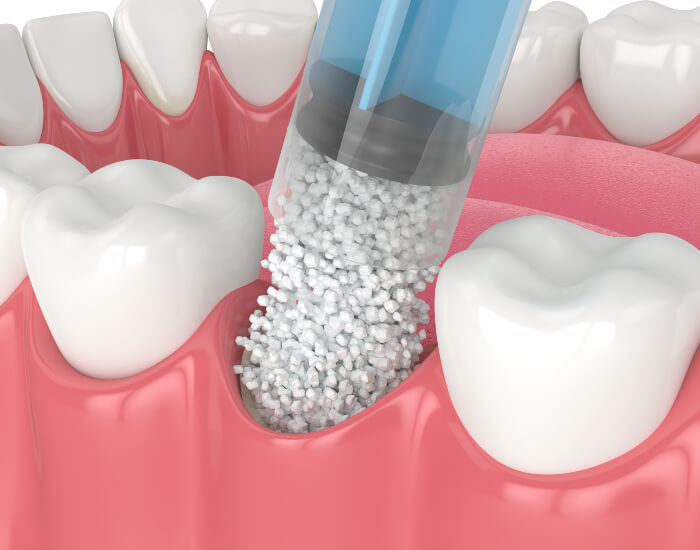
The dentist makes a small incision to expose the weakened bone. Bone material, either synthetic, from a donor, or from your own body, is then placed into the affected area. The graft helps regenerate bone and strengthen the jaw over time.
Risks / Benefits
Risks: Infection, graft rejection, swelling
Benefits: Stronger bone structure, improved implant success, preserved facial appearance
Recovery and Outlook
Recovery typically takes a few months. Swelling and discomfort are common but manageable with medication. The graft eventually fuses with your natural bone, providing long-lasting benefits.
FAQ
The procedure is done under local anesthesia, so you won’t feel pain during surgery. Mild discomfort afterward is normal
Full recovery can take 3-6 months, depending on the size of the graft and your body’s healing response
Not always, but if you’ve experienced bone loss, a graft is necessary to ensure a stable foundation for the implant.
Grafts can come from your own body, a donor, or synthetic materials. Dr. Nivesh Kakkar will recommend the best option for you.
Soft foods are recommended for the first few days. Avoid hard, crunchy, or chewy foods to promote healing.