Category Archives: Services

Teeth Whitening in Ashok Vihar

Teeth Whitening

Teeth Whitening in Ashok Vihar Dr Nivesh Kakkar, BDS, MDS (Periodontics)

Have you ever looked in the mirror and wished your teeth looked a little brighter? Yellow or stained teeth can affect how confidently you smile, especially during photographs, meetings, or social occasions. The good news is that professional teeth whitening can help improve the appearance of your smile safely and effectively. If you are looking for Teeth Whitening in Ashok Vihar, Dr Nivesh Kakkar, BDS, MDS (Periodontics), can help you understand your options and choose an approach suited to your dental needs.

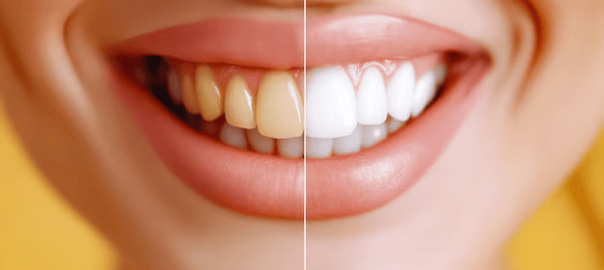
Think of teeth whitening like giving your smile a fresh polish. It can remove or lighten certain stains and help your natural teeth look cleaner and brighter.

What Is Teeth Whitening?

Teeth whitening is a cosmetic dental treatment designed to make natural teeth appear lighter and brighter. Over time, teeth can lose their natural brightness because of food, beverages, tobacco use, ageing, and other factors.

Professional whitening is different from simply brushing your teeth. Regular brushing helps keep your teeth and gums clean, while whitening focuses primarily on improving the colour of your natural teeth.

The treatment may involve professionally applied whitening products under dental supervision. The exact method depends on the condition of your teeth, the type of staining and your desired result.

If you are considering Teeth Whitening in Ashok Vihar, the first step should be a dental evaluation rather than immediately choosing a whitening product.

Who Can Consider Teeth Whitening?

Teeth whitening may be suitable for adults who want to improve the appearance of naturally discoloured teeth.

However, whitening is not automatically appropriate for everyone. The dentist may first check your teeth and gums to identify problems such as cavities, gum disease, damaged teeth or significant sensitivity.

People who have healthy teeth and gums are generally better candidates for cosmetic whitening.

It is also important to have realistic expectations. Whitening can brighten natural teeth, but it does not permanently change the basic structure or natural characteristics of your teeth.

If you have crowns, veneers, fillings or other tooth-coloured dental restorations, these may not whiten in the same way as natural teeth. A dental consultation can help you understand what result you can realistically expect.

Benefits of Professional Teeth Whitening

Why choose professional whitening instead of simply buying a whitening product and trying it yourself?

A personalised approach

Every smile is different. Our dentist can assess the existing shade of your teeth and determine the most appropriate whitening approach.

Better understanding of the cause of staining

Not every dark or yellow tooth is caused by ordinary surface stains. Professional evaluation can help identify when another dental treatment may be more appropriate.

Controlled treatment

Professional whitening allows the dentist to select and control the whitening procedure according to your dental condition.

Improved smile appearance

A brighter smile can make your teeth look cleaner and may help you feel more comfortable when smiling.

Better guidance on aftercare

Whitening does not end when the treatment is completed. Our dentist can explain how to protect your results and reduce future staining.

Is Teeth Whitening Safe?

When performed appropriately and after a proper dental evaluation, professional teeth whitening is generally considered a safe cosmetic dental procedure for suitable patients.

However, just because a treatment is common does not mean it should be performed without consideration of your dental health.

Existing cavities, gum problems, cracked teeth or significant sensitivity may need attention before whitening.

The key is professional assessment.

A qualified dentist can determine whether whitening is appropriate for you and provide instructions designed to minimise unwanted effects.

You should also avoid using whitening products excessively in an attempt to achieve extremely white teeth. More whitening does not necessarily mean a better smile.

Can Teeth Whitening Cause Sensitivity?

Temporary tooth sensitivity can occur after whitening in some people.

You might notice increased sensitivity to cold foods or drinks for a short period after treatment. The intensity and duration can vary from person to person.

If you already have sensitive teeth, tell the dentist before beginning whitening. Your dental professional can consider this when recommending your treatment.

Following the recommended instructions is also important. Using whitening products more frequently or for longer than advised does not necessarily produce better results and may increase discomfort.

If sensitivity becomes severe or continues for an unusual length of time, you should consult the best dentist in Ashok Vihar.

How to Maintain a Brighter Smile

After investing time in professional whitening, why not protect the results?

Brush and clean regularly

Maintain a consistent oral hygiene routine as advised by the dentist.

Be mindful of staining foods and drinks

Frequent consumption of tea, coffee and other strongly coloured foods or drinks may contribute to future staining.

Avoid tobacco

Tobacco can contribute significantly to tooth staining and can negatively affect overall oral health.

Drink water

Rinsing your mouth with water after meals or staining beverages can help reduce the amount of residue left on your teeth.

Visit the dentist regularly

Regular dental check-ups help maintain both the appearance and health of your teeth and gums.

Follow professional advice

If the dentist recommends a specific maintenance routine, follow those instructions rather than using whitening products excessively.

Why Choose Dr Nivesh Kakkar for Teeth Whitening in Ashok Vihar?

Choosing the right dentist is an important part of any cosmetic dental treatment.

Dr Nivesh Kakkar, BDS, MDS (Periodontics), focuses on dental and gum health along with the appearance of your smile.

When considering Teeth Whitening in Ashok Vihar, a professional consultation can help you understand whether whitening is actually the right solution for your particular type of staining.

The treatment should be approached with an emphasis on healthy teeth, healthy gums, natural-looking results and patient comfort.

Rather than simply asking, “How white can my teeth become?”, it is better to ask, “What whitening result will look natural and suit my smile?”

What to Expect During Your Dental Visit

If you have never undergone professional teeth whitening, you may feel unsure about what happens during the appointment.

There is no need to overthink it.

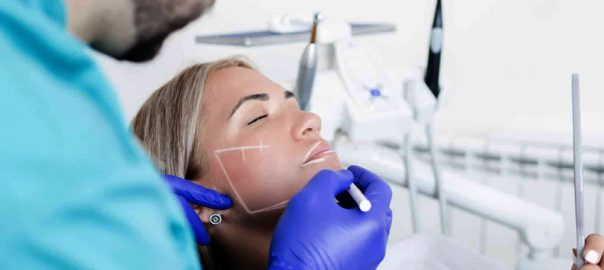
Your dental visit typically begins with a discussion about your concerns and expectations. The dentist may examine your teeth and gums and ask about your oral hygiene, sensitivity and lifestyle habits.

The dentist can then explain whether whitening is suitable for you and discuss the available treatment approach.

FAQ

How much does Teeth Whitening in Ashok Vihar cost?

The cost depends on the whitening technique, the condition of your teeth, the severity of staining and whether any preliminary dental treatment is required. A consultation with Dr Nivesh Kakkar can help determine the appropriate treatment and its cost for your individual needs.

Is professional teeth whitening better than home whitening?

Professional whitening provides the advantage of dental assessment and professional supervision. Home products may help with certain stains, but they may not provide the same level of personalised care. A dentist can recommend the most suitable option based on your teeth.

Does teeth whitening permanently make teeth white?

No. Whitening results are not permanent. Daily habits such as drinking tea or coffee, tobacco use and diet can cause staining to return over time. Good oral hygiene and regular dental care can help maintain a brighter smile.

Can teeth whitening damage my teeth?

When appropriately selected and performed according to professional guidance, teeth whitening is generally considered safe for suitable patients. However, excessive or improper use of whitening products may cause sensitivity or irritation. A dental evaluation before treatment is recommended.

How can I maintain my teeth after whitening?

Maintain good oral hygiene, limit habits that contribute to staining, drink water regularly and follow your dentist’s aftercare advice. Regular dental check-ups can also help maintain your oral health and smile.
Root Canal Treatment

Root Canal Treatment in Ashok Vihar – Dr Nivesh Kakkar, BDS, MDS (Periodontics)

When a tooth starts hurting while you eat, drink something hot or cold, or even sleep at night, it can quickly affect your everyday life. Many people try to ignore tooth pain, hoping it will disappear on its own. But what if the pain is actually a warning that the inside of your tooth needs attention?

Root Canal Treatment in Ashok Vihar can help save a badly damaged or infected tooth and restore comfortable eating. Dr Nivesh Kakkar, BDS, MDS (Periodontics) focuses on understanding the cause of your dental problem and providing appropriate care based on your individual needs.

What Is Root Canal Treatment?

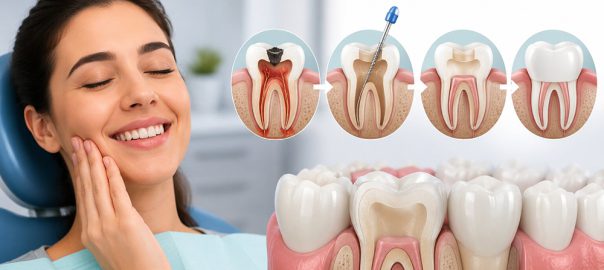
Root canal treatment is a dental procedure used to treat a tooth when the soft tissue inside it becomes infected, inflamed, or severely damaged. The main purpose is to remove the problem from inside the tooth, clean the area carefully, and seal it so the tooth can continue to function.

Think of your tooth like a house. The outer structure protects everything inside, while the inner part contains living tissue. If that inner area becomes infected, simply cleaning the outside of the house is not enough. The problem needs to be addressed from within.

During root canal treatment, the affected tissue is removed, the internal space is cleaned and shaped, and the tooth is sealed. Depending on the condition of the tooth, a dental crown may later be recommended to provide additional protection.

The exact treatment approach depends on factors such as the condition of the tooth, the extent of damage, and your overall oral health.

Why Might You Need a Root Canal?

Not every toothache means you need a root canal. However, when decay or damage reaches the inner part of the tooth, treatment may become necessary.

Some common reasons include:

  • Deep tooth decay
  • A cracked or damaged tooth
  • Repeated dental procedures on the same tooth
  • Injury to the tooth
  • Infection inside the tooth
  • Long-standing dental problems

Sometimes the problem develops gradually. You may initially notice mild sensitivity, but over time the discomfort can become stronger.

This is why it is better not to wait until the pain becomes unbearable. A dental examination can help determine what is actually happening and whether root canal treatment is appropriate.

Common Signs You May Need Root Canal Treatment

Your symptoms can vary depending on the cause and severity of the dental problem. Some people experience significant pain, while others may have surprisingly few symptoms.

Persistent Toothache

Pain that continues for an extended period, particularly when you bite or chew, should not be ignored.

Sensitivity to Hot or Cold

If a tooth remains sensitive even after the hot or cold food or drink is gone, it may indicate a deeper problem.

Pain While Biting

Discomfort when biting down can sometimes occur when the tissues around a damaged tooth become irritated.

Swelling Around the Tooth

Swelling in the gum around a particular tooth may indicate infection or inflammation.

Darkening of a Tooth

A tooth that becomes noticeably darker than the surrounding teeth may have experienced internal damage.

Recurring Gum Problems

A small swelling or recurring problem around the same tooth deserves professional evaluation.

How Is Root Canal Treatment Performed?

If you are considering Root Canal Treatment in Ashok Vihar, you may naturally want to know what happens during the procedure.

Dental Examination

The dentist first examines the affected tooth and discusses your symptoms. Dental imaging may be advised to understand the condition of the tooth and surrounding structures.

Local Anaesthesia

Local anaesthesia is generally used to numb the treatment area. This helps make the procedure more comfortable.

Accessing the Inner Part of the Tooth

The dentist creates a small opening in the tooth to reach the affected internal area.

Cleaning the Tooth

The damaged or infected tissue is carefully removed, and the internal space is cleaned.

Shaping and Filling

After cleaning, the space is prepared and filled with an appropriate material to help seal the tooth.

Restoring the Tooth

Depending on the amount of tooth structure remaining, the dentist may recommend a filling or crown to restore its strength and appearance.

Is Root Canal Treatment Painful?

This is probably one of the first questions that comes to mind when someone hears the words “root canal.”

Modern dental treatment is designed to keep the patient as comfortable as possible. Local anaesthesia is commonly used during root canal treatment, so you should discuss any concerns about discomfort with the dentist before beginning.

After treatment, some patients may experience temporary sensitivity or mild discomfort. This can vary depending on the condition of the tooth and the individual.

If you have dental anxiety, tell the dentist. Being open about your concerns can help the dental team plan your treatment and make the experience more comfortable.

What Happens After Root Canal Treatment?

Once the root canal procedure is completed, the tooth may need further restoration.

You may be advised to avoid putting excessive pressure on the treated tooth until the final restoration is completed.

It is also important to maintain your normal oral hygiene routine. Brush regularly, clean between your teeth, and follow the instructions provided by the dentist.

If best dentist in Ashok Vihar recommends a follow-up appointment, make sure you attend it. A successful result depends not only on the root canal procedure but also on proper restoration and aftercare.

Why Is a Dental Crown Sometimes Recommended?

A tooth that has undergone root canal treatment may have lost a significant amount of its original structure, particularly when it was already damaged by decay or cracks.

In such cases, a dental crown may be recommended to protect and restore the tooth.

A crown works somewhat like a protective helmet. It covers the restored tooth and helps protect it from everyday chewing forces.

However, whether you need a crown depends on the tooth involved and how much healthy tooth structure remains. Dentist can explain the most suitable restoration after examining your tooth.

If you have dental anxiety, tell the dentist. Being open about your concerns can help the dental team plan your treatment and make the experience more comfortable.

Benefits of Root Canal Treatment

When appropriate, root canal treatment can offer several important advantages.

Key benefits include:

  • Helps save the natural tooth
  • Addresses infection or inflammation inside the tooth
  • Can help relieve tooth-related pain
  • Allows you to continue using the treated tooth
  • Helps maintain your natural smile
  • Can avoid extraction when the tooth is suitable for preservation

Saving your natural tooth is often preferable when it is possible and appropriate.

A missing tooth can affect chewing and may require replacement later. Therefore, if the dentist believes the tooth can be successfully treated and restored, root canal treatment may be an option worth considering.

How to Take Care of Your Teeth After Treatment

Good oral care remains important even after successful root canal treatment.

Brush Twice a Day

Use a suitable toothbrush and toothpaste and clean your teeth gently but thoroughly.

Clean Between Your Teeth

Food and plaque can collect between teeth, so include interdental cleaning in your routine.

Don’t Ignore New Symptoms

If you experience persistent pain, swelling, or other unusual symptoms after treatment, contact the dentist.

Follow Restoration Advice

If a crown or another restoration has been recommended, complete the recommended treatment rather than leaving the tooth vulnerable.

Why Choose Dr Nivesh Kakkar in Ashok Vihar?

Choosing the right dental professional is an important part of your treatment journey. You want someone who listens to your concerns, evaluates the condition carefully, and explains your options in simple language.

Dr Nivesh Kakkar, BDS, MDS (Periodontics), provides dental care with attention to individual patient needs.

For people searching for Root Canal Treatment in Ashok Vihar, having access to a dental professional who can assess your tooth and discuss suitable treatment options can make the decision-making process easier.

A good dental consultation should not simply be about treating pain. It should also focus on understanding why the problem occurred, what treatment may be appropriate, and how you can reduce the risk of similar problems in the future.

If you are experiencing persistent tooth pain, sensitivity, swelling, or discomfort while chewing, scheduling a dental evaluation can be a sensible next step.

When Should You Visit a Dentist?

A common mistake is waiting until dental pain becomes severe before seeking professional help.

But dental problems do not always become painful immediately. Sometimes decay or internal damage can progress quietly.

You should consider consulting a dentist if you notice:

  • Persistent tooth pain
  • Sensitivity that does not settle
  • Pain while biting or chewing
  • Swelling near a tooth
  • A damaged or cracked tooth
  • A change in tooth colour
  • Repeated discomfort in the same area

Early evaluation does not necessarily mean you will need a root canal. It simply gives the dentist an opportunity to identify the cause and discuss appropriate treatment.

Frequently Asked Questions

Is root canal treatment necessary for every toothache?

No. A toothache can have many causes, and not every toothache requires a root canal. A dental examination is necessary to identify the actual cause and determine the appropriate treatment.

Can a root canal save my natural tooth?

In many suitable cases, root canal treatment is performed with the goal of preserving the natural tooth. Whether your tooth can be saved depends on factors such as the extent of damage, remaining tooth structure, and overall condition.

What is the cost of Root Canal Treatment in Ashok Vihar?

The cost of Root Canal Treatment in Ashok Vihar can vary depending on several factors, including the type of tooth, complexity of the case, extent of infection or damage, and whether additional treatment such as a dental crown is required. The best way to know the expected cost is to have the tooth examined by Dr Nivesh Kakkar, BDS, MDS (Periodontics), who can assess your condition and explain the recommended treatment and associated costs.

Will I need a crown after root canal treatment?

A crown may be recommended when the treated tooth needs additional protection and strength. The requirement depends on the tooth and the amount of healthy tooth structure remaining.

How do I know if I need Root Canal Treatment in Ashok Vihar?

Persistent tooth pain, prolonged sensitivity, pain while biting, swelling, or other changes around a tooth may indicate the need for dental evaluation. Only a dentist can determine whether root canal treatment is appropriate after examining your tooth.

Dental Veneers in Ashok Vihar

Dental Veneers

Dental Veneers in Ashok Vihar – Dr Nivesh Kakkar, BDS, MDS (Periodontics)

Have you ever wished your smile looked a little brighter, more even, or more attractive? Small concerns such as stained teeth, minor gaps, uneven tooth shapes, or chipped teeth can sometimes affect how confidently you smile.

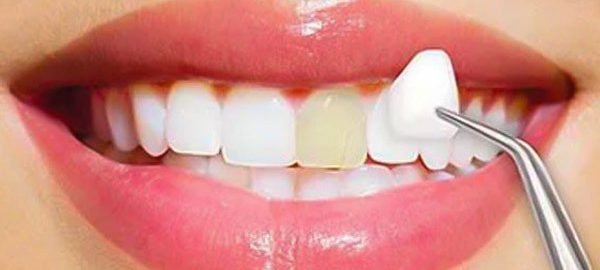
Dental veneers can be an option for improving the appearance of selected teeth. These thin coverings are designed to improve the visible shape, colour, and overall appearance of teeth while maintaining a natural-looking smile.

If you are looking for Dental Veneers in Ashok Vihar, Dr Nivesh Kakkar, BDS, MDS (Periodontics), can help you understand whether veneers are suitable for your dental needs and smile goals.

What Are Dental Veneers?

Dental veneers are thin, tooth-coloured coverings placed over the visible front surface of selected teeth. They are primarily used to improve the appearance of teeth and create a more balanced smile.

Think of veneers like a carefully designed cover on a wall. The wall underneath still matters, but the right covering can make its visible appearance more uniform and attractive. In a similar way, veneers can help improve the appearance of certain cosmetic dental concerns.

Veneers are customised according to the patient’s teeth, smile, facial appearance, and desired result. The goal is not simply to make teeth look extremely white. A good cosmetic result should look natural, proportionate, and suited to your face.

Are Dental Veneers Painful?

Many people worry about discomfort before undergoing cosmetic dental treatment.

The experience can vary depending on the individual and the amount of tooth preparation required. Some patients may experience temporary sensitivity following treatment.

Dr Nivesh Kkkar will explain what to expect based on your specific treatment plan.

If you have dental anxiety, tell best dentist in Ashok Vihar Dr Nivesh Kakkar before the procedure. Knowing what will happen at each stage can make the experience much more comfortable.

Why Do People Choose Dental Veneers?

Your smile is one of the first things people notice about you. So, it is understandable if you want to improve something that has always bothered you.

People may consider Dental Veneers in Ashok Vihar when they are unhappy with the appearance of their front teeth despite maintaining good oral hygiene.

Dental Veneers vs Teeth Whitening

Veneers and teeth whitening are often confused because both can improve the appearance of a smile. However, they work differently.

Teeth whitening focuses mainly on reducing certain types of tooth staining and making natural teeth appear lighter.

Dental veneers cover the visible surface of selected teeth and can address concerns involving not only colour but also shape, size, and some minor cosmetic irregularities.

Why Do People Choose Dental Veneers?

Your smile is one of the first things people notice about you. So, it is understandable if you want to improve something that has always bothered you.

People may consider Dental Veneers in Ashok Vihar when they are unhappy with the appearance of their front teeth despite maintaining good oral hygiene.

Some common reasons include:

  • Persistent tooth discolouration
  • Minor chips or cracks
  • Uneven-looking teeth
  • Small gaps between certain teeth
  • Irregular tooth shape
  • Worn-looking front teeth
  • Cosmetic concerns with the size or proportion of teeth

However, veneers are not automatically suitable for everyone. The right treatment depends on the condition of your teeth and gums as well as your expectations.

Who May Be Suitable for Dental Veneers?

Dental veneers are generally considered a cosmetic treatment, so the health of your teeth and gums is an important part of the decision.

Healthy teeth and gums

Existing dental or gum problems may need attention before cosmetic treatment.

Good oral hygiene

Regular brushing, flossing, and dental check-ups help protect both natural teeth and veneers.

Realistic expectations

Veneers can improve the appearance of your smile, but they cannot change every dental problem.

Cosmetic concerns:

If you have specific concerns about tooth colour, shape, minor gaps, or small chips, veneers may be discussed as one possible option.

Dental Problems Veneers Can Improve

One of the biggest advantages of veneers is their ability to address several cosmetic concerns at the same time.

Tooth Discolouration

Some stains may not respond as expected to regular brushing or even professional whitening. Depending on the cause and condition of the tooth, veneers may provide another cosmetic option.

Minor Chips

A small chip on a front tooth can make the smile look uneven. A veneer may help restore a smoother-looking appearance.

Uneven Tooth Shape

Sometimes, teeth may naturally differ in shape or size. Carefully designed veneers can help create a more harmonious appearance.

Worn or Irregular-Looking Teeth

If the front teeth appear uneven or worn, cosmetic treatment may help create a more balanced smile.

Small Gaps

Certain small spaces between teeth may sometimes be improved cosmetically with veneers. However, the cause and size of the gap need to be assessed first.

The important point is that veneers should be planned for your individual smile rather than selected simply because they are popular.

Benefits of Dental Veneers

Choosing veneers is a personal decision. If they are suitable for you, they may offer several cosmetic benefits.

Improved smile appearance: Veneers can help address selected concerns involving colour, shape, and symmetry.

Natural-looking results: Modern cosmetic dentistry focuses on creating teeth that complement your facial appearance rather than looking artificial.

Customised treatment: Veneers are planned according to your individual dental characteristics.

Better confidence: When you feel comfortable with your smile, you may naturally feel more confident while speaking, smiling, and meeting people.

Multiple cosmetic concerns can be addressed: Depending on the situation, veneers may help improve more than one visible concern at the same time.

However, veneers are not a replacement for regular dental care. Your natural teeth and gums still require proper maintenance.

Types of Dental Veneers

There are different materials and approaches used for dental veneers. Our dentist can explain which option is appropriate after examining your teeth.

Porcelain Veneers

Porcelain veneers are made from a strong, tooth-coloured ceramic material. They are customised to fit the selected teeth and are commonly considered for cosmetic smile enhancement.

Composite Veneers

Composite material can also be used to improve the appearance of teeth. Depending on the case, composite treatment may involve a different process, cost, and expected lifespan compared with porcelain.

There is no single veneer option that is best for everyone. The appropriate choice depends on factors such as your teeth, gums, bite, cosmetic goals, budget, and long-term expectations.

How Is the Dental Veneer Procedure Done?

Wondering what actually happens when you choose Dental Veneers in Ashok Vihar?

Dental Consultation

The first step is a detailed consultation. Our dentist examines your teeth and gums and discusses what you want to improve.

Treatment Planning

Once your dental condition has been assessed, a personalised treatment plan can be created. The dentist considers factors such as tooth shape, colour, alignment, smile appearance, and bite.

Tooth Preparation

Depending on the type of veneer and individual case, some preparation of the tooth may be required. The amount of preparation varies from person to person. Our dentist will explain what will be involved before treatment begins.

Veneer Creation

The veneers are designed to fit the selected teeth. Their colour and shape are considered carefully so that they complement your smile.

Placement

Once the veneers are ready and their fit and appearance have been assessed, they are placed on the teeth using an appropriate dental bonding process.

Final Assessment

Our dentist checks the appearance, comfort, and bite to ensure the result is appropriate. The process is not simply about putting a white covering over a tooth. Good veneer treatment is about planning the complete smile.

Why Choose Dr Nivesh Kakkar for Dental Veneers?

Choosing the right dentist is just as important as choosing the treatment itself.

Dr Nivesh Kakkar, BDS, MDS (Periodontics), approaches dental care with attention to the health of the teeth and gums as well as the patient’s cosmetic concerns.

When considering veneers, a proper assessment is important because the appearance of your smile is connected to the overall condition of your mouth.

A personalised approach can help determine whether veneers are actually appropriate for you or whether another cosmetic or restorative option may be more suitable.

If you are searching for Dental Veneers in Ashok Vihar, discussing your expectations directly with Dr Nivesh Kakkar can help you understand the available options before making a decision.

Caring for Your Dental Veneers

Brush Regularly

Brush your teeth regularly using an appropriate toothbrush and toothpaste recommended for your dental needs.

Clean Between Your Teeth

Flossing or another suitable method of cleaning between teeth can help maintain gum health and remove food particles from areas your toothbrush cannot reach easily.

Be Careful With Very Hard Foods

Hard foods and habits such as chewing ice may put unnecessary stress on teeth and restorations.

Maintain Regular Dental Visits

Regular dental check-ups can help identify problems early and allow dentist to monitor your veneers, teeth, and gums.

Frequently Asked Questions

What are dental veneers used for?

Dental veneers are thin, tooth-coloured coverings used mainly to improve the appearance of selected teeth. They may help with certain concerns involving tooth colour, shape, minor chips, and small gaps, depending on the individual case.

Are dental veneers permanent?

Dental veneers are considered a long-term cosmetic dental treatment, but they are not expected to last forever. Their lifespan depends on factors such as the material, placement, oral hygiene, bite, and everyday habits. Proper care and regular dental check-ups can help maintain them.

How much do dental veneers cost in Ashok Vihar?

The cost of dental veneers in Ashok Vihar varies depending on the number of teeth being treated, veneer material, treatment complexity, and whether other dental procedures are required beforehand. A consultation is the best way to receive an individual treatment estimate.

Can veneers fix crooked or uneven teeth?

Veneers may improve the appearance of certain mildly uneven or irregularly shaped teeth. However, they are not suitable for every type of tooth misalignment. A dental examination is necessary to determine whether veneers or another treatment would be more appropriate.

How do I choose the right dentist for dental veneers in Ashok Vihar?

Look for a qualified dentist who carefully evaluates your teeth and gums, understands your cosmetic goals, explains the treatment process, discusses available options, and provides a personalised treatment plan. If you are considering Dental Veneers in Ashok Vihar, you can consult Dr Nivesh Kakkar, BDS, MDS (Periodontics) to discuss your requirements.

Removable Dentures

Overview of Removable Dentures

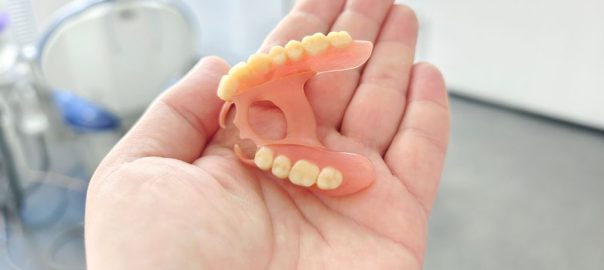
Removable dentures provide a natural-looking, functional solution for missing teeth, restoring your smile, speech, and chewing ability. Custom-made to fit comfortably, they are a cost-effective option for dental rehabilitation.

Types of Dentures

  • Complete Dentures – For patients missing all teeth in the upper or lower jaw.
  • Partial Dentures – Replace multiple missing teeth while preserving any remaining natural teeth.
  • Immediate Dentures – Placed right after teeth extraction for immediate restoration
  • Implant-Supported Dentures – Securely attach to dental implants for better stability.


Procedure Details

What happens during denture consultation?

Dr. Nivesh Kakkar will evaluate your oral health, discuss your dental needs, and determine the best denture type for you. X-rays and impressions may be taken to create a precise fit.

How are dentures made?

Dentures are crafted in a dental lab using impressions of your mouth. A wax model is often created first for testing before the final prosthetic is made from acrylic or other durable materials.

What happens during denture fitting?

During fitting, adjustments are made to ensure comfort, functionality, and aesthetics. Dr. Kakkar will guide you on how to wear, remove, and care for your dentures properly.

Recovery and Outlook

It may take a few weeks to fully adjust to new dentures. With proper care, they can last several years. Regular check-ups ensure their longevity and comfort.

Risks & Benefits

Benefits:

  • Affordable and non-invasive
  • Enhances appearance and self-confidence
  • Restores oral functionality for speaking and eating

Risks:

  • Initial discomfort or difficulty in adjusting
  • Potential irritation or sore spots
  • Need for periodic adjustments

FAQ

How long will it take to get used to removable dentures?

It may take a few weeks for your mouth to fully adapt.

Can I sleep with my dentures in?

It’s best to remove them at night to allow your gums to rest.

How long do dentures last?

]With good care, they typically last 5-10 years before needing replacement.

Will I be able to eat normally with dentures?

Yes, but you may need to start with softer foods and gradually reintroduce firmer foods.

How do I clean my dentures?

Clean them daily with a soft-bristle brush and a denture cleaner, avoiding regular toothpaste.

bone grafting in ashok vihar

Bone Grafting

Overview of Dental Bone Graft

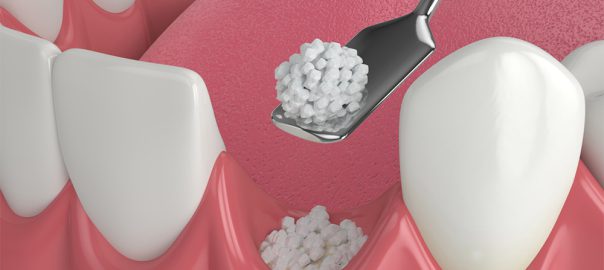
A dental bone graft is a procedure to restore bone loss in the jaw, often necessary for patients preparing for dental implants or experiencing bone deterioration. This treatment strengthens the foundation for a healthy, lasting smile.

Conditions Managed with a Dental Bone Graft

  • Conditions Managed with a Dental Bone Graft
  • Gum disease (periodontitis)
  • Facial trauma or injury
  • Preparation for dental implants
  • Jawbone atrophy over time


What is Dental Bone Graft?

A dental bone graft involves transplanting bone tissue to rebuild and strengthen areas of the jawbone that have weakened or deteriorated due to tooth loss, trauma, or gum disease. It provides a stable base for dental implants or other restorative treatments

What Happens During Bone Grafting Procedure?

The dentist makes a small incision to expose the weakened bone. Bone material, either synthetic, from a donor, or from your own body, is then placed into the affected area. The graft helps regenerate bone and strengthen the jaw over time.

Risks / Benefits

Risks: Infection, graft rejection, swelling

Benefits: Stronger bone structure, improved implant success, preserved facial appearance.

Recovery and Outlook

Recovery typically takes a few months. Swelling and discomfort are common but manageable with medication. The graft eventually fuses with your natural bone, providing long-lasting benefits.

FAQ

Is a dental bone graft painful?

The procedure is done under local anesthesia, so you won’t feel pain during surgery. Mild discomfort afterward is normal

How long does a bone graft take to heal?

Full recovery can take 3-6 months, depending on the size of the graft and your body’s healing response

Do I always need a bone graft before implants?

Not always, but if you’ve experienced bone loss, a graft is necessary to ensure a stable foundation for the implant.

Where does the graft material come from?

Grafts can come from your own body, a donor, or synthetic materials. Dr. Nivesh Kakkar will recommend the best option for you

What can I eat after a bone graft?

Soft foods are recommended for the first few days. Avoid hard, crunchy, or chewy foods to promote healing.

Dental Braces in Ashok Vihar

Braces Treatments

Overview of Braces

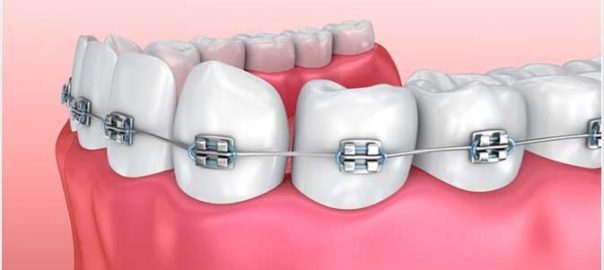
Braces are dental devices that consist of brackets, wires, and bands, used to correct misaligned teeth and jaws. They work by applying gentle pressure to gradually shift teeth into their proper positions.

What conditions are managed with Braces?

  • Crooked or crowded teeth
  • Overbite and under bite
  • Cross bite
  • Gaps between teeth
  • Misaligned jaw

What is Braces

Braces are dental devices that consist of brackets, wires, and bands, used to correct misaligned teeth and jaws. They work by applying gentle pressure to gradually shift teeth into their proper positions.

What happens during Braces Procedure

During your initial consultation, our team will evaluate your dental health and create a customized treatment plan. The procedure involves attaching brackets to your teeth and threading wires through them. Regular adjustments will be scheduled to ensure optimal results.

Compression between Braces and Aligners

Braces:

  • Fixed appliances, providing consistent pressure.
  • Highly effective for complex dental issues.
  • Require regular adjustments by an orthodontist.
  • May involve dietary restrictions to protect brackets

Aligners:

  • Removable and flexible, allowing for easy cleaning.
  • Suitable for mild to moderate cases.
  • Require discipline to wear for 20-22 hours daily.
  • Often more aesthetically pleasing and comfortable.

Recovery and Outlook

Post-procedure, patients may experience mild discomfort, manageable with over-the-counter pain relief. Regular check-ups are essential for monitoring progress. With commitment to care, most patients achieve their desired results within 18-24 months.

Risks & Benefits

Benefits:

  • Effective in correcting severe dental issues
  • Customized treatment plans
  • Long-lasting results

Risks:

  • Discomfort during adjustments
  • Oral hygiene challenges
  • Potential for tooth decay if not maintained properly

FAQ

How long will I need to wear braces?

Typically, treatment lasts between 18 to 24 months, depending on individual needs

Will braces hurt?

Some discomfort is normal after adjustments, but it usually subsides quickly

Can I eat normally with braces?

Yes, but you’ll need to avoid hard or sticky foods to protect the braces.

How do I care for my braces?

Maintain good oral hygiene, brush after meals, and use orthodontic wax for comfort.

Are there alternatives to traditional braces?

Yes, options like clear aligners are available for certain cases. Consult with us to find the best fit for your needs.

Tooth Extraction in Ashok Vihar

Tooth Extractions

Overview of Removable Dentures

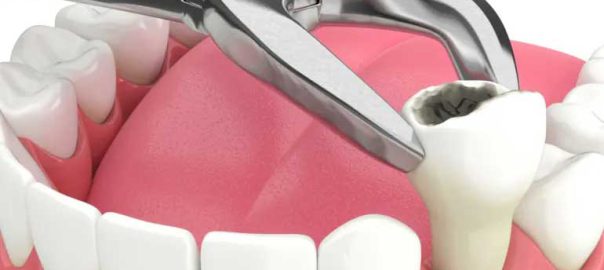
Tooth extraction is a common dental procedure that involves removing a tooth from its socket in the jawbone. This may be necessary for various dental health reasons.

When is Tooth Extraction Recommended?

  • Severely decayed or infected teeth
  • Impacted wisdom teeth
  • Overcrowded teeth before orthodontic treatment
  • Teeth that can’t be restored

Procedure Details

What Happens Before Tooth extraction?

Before extraction, your dentist will perform a thorough examination, including X-rays, to assess the tooth’s condition and plan the procedure.

Sedation Options in Dentistry

Patients can choose from various sedation options, including local anesthesia, nitrous oxide (laughing gas), or general anesthesia, depending on the complexity of the extraction and patient comfort.

What Happens During Tooth Extraction?

During the procedure, the area is numbed, and the dentist carefully loosens the tooth before removing it from the socket, ensuring minimal discomfort .

What Happens After Tooth Extraction?

Post-extraction, you’ll receive instructions for care, including managing pain and preventing infection.

What is Tooth Extraction?

Tooth extraction is the surgical removal of a tooth, often due to decay, infection, crowding, or other dental issues. It is a straightforward procedure aimed at relieving pain and improving oral health.

Who Performs Tooth Extraction?

Tooth extractions are typically performed by dentists or oral surgeons trained in this procedure.

Risks & Benefits

What are the Advantages of Pulling a Tooth?

  • Relief from pain and infection
  • Improved oral health
  • Facilitates orthodontic treatment

What are the Risks of Tooth Extraction?

  • Infection
  • Dry socket
  • Damage to adjacent teeth

What are the Side Effects of Removing a Tooth?

Common side effects may include swelling, bruising, and mild pain, which usually subside within a few days.

FAQ

Is tooth extraction painful?

No, anesthesia ensures that you won’t feel pain during the procedure

How much does a tooth extraction cost?

Costs vary based on the tooth’s condition and complexity; consult our clinic for an estimate.

Can I drive after a tooth extraction?

If you received sedation, it’s best to have someone else drive you home.

What should I do if I experience severe pain after the Extraction

Contact our clinic immediately for guidance

Are there alternatives to tooth extraction?

Yes, options like root canals or crowns may be considered depending on the situation.

Dental Fillings

Overview of Dental Fillings

Dental fillings restore damaged teeth by filling cavities caused by decay, ensuring both functionality and aesthetics are maintained.

Types of Dental Fillings

  • Composite Resin: A tooth-colored material that blends seamlessly with natural teeth.
  • Amalgam : A durable, silver-colored material ideal for back teeth due to its strength.
  • Ceramic: Offers a natural appearance and is stain-resistant.
  • Gold: Highly durable and long-lasting but more expensive

Procedure Details

1. Consultation

Dr. Kakkar evaluates the tooth and discusses options

2. Anesthesia

Local anesthesia is administered for comfort.

3.Cavity Removal

Decayed material is removed using a dental drill

4.Filling Application

The chosen filling material is placed and shaped

What is Dental Fillings?

Dental fillings are materials used to repair teeth affected by decay, cracks, or wear. They help restore the tooth’s structure and prevent further damage

Recovery and Outlook

Post-procedure, patients can typically resume normal activities immediately. Minor sensitivity may occur but usually resolves within a few days. Regular dental check-ups help ensure the longevity of fillings

Risks & Benefits

What are the benefits of dental fillings?

  • Restores tooth function
  • Prevents further decay
  • Enhances appearance, especially with tooth-colored options

What are the possible complications of dental fillings?

  • Sensitivity to temperature
  • Potential for filling loss
  • Allergic reactions to materials (Rare)

FAQ

How long do dental fillings last?

Depending on the material, fillings can last from 5 to 15 years.

Is the dental filling procedure painful?

No, local anesthesia ensures minimal discomfort during the procedure

Can I eat after getting a filling

It’s best to wait a few hours before eating to allow the filling to set.

How do I care for my dental fillings?

Maintain good oral hygiene and avoid hard foods to protect the filling.

Are there alternatives to dental fillings

Yes, options like crowns or inlays may be recommended for extensive damage

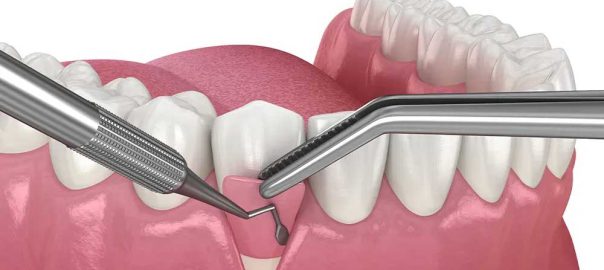
Flap Surgery

Overview of Flap Surgery

Dental flap surgery is a vital procedure aimed at treating gum disease and facilitating better access to the underlying bone and tissues, ensuring optimal oral health.

Indications of Flap Surgery Procedure

  • Severe gum disease (periodontitis)
  • Bone loss around teeth
  • Accessibility for deep cleaning
  • Preparing for dental implants
  • Removal of infected tissue

Procedure Details

Steps Involved in Flap Surgery Procedure

  • Consultation: Detailed assessment and treatment planning.
  •  Anesthesia: Administering local anesthesia for comfort.
  • Incision: Creating a flap of gum tissue to access the affected area.
  • Treatment: Cleaning and debriding infected tissue or bone.
  • Closure: Suturing the gum flap back in place.
  •  Post-operative care: Instructions for recovery.

Preparing for Flap Surgery Procedure

  • Schedule a comprehensive dental evaluation.
  • Inform your dentist about medications and medical history.
  • Avoid blood thinners a few days prior.
  • Arrange for transportation home post-surgery.

What is Dental Flap Surgery?

Dental flap surgery involves lifting a section of gum tissue to access and treat underlying dental issues, such as severe periodontal disease or bone loss. This procedure helps restore health to the gums and surrounding structures

Recovery after Flap Surgery

Recovery typically involves some swelling and discomfort. Follow post-operative care instructions, including pain management and oral hygiene practices. Most patients return to normal activities within a few days.

Risks & Benefits

Lifestyle Changes after Flap Surgery Procedure

  • Maintain a soft diet for the first week.
  • Avoid smoking and alcohol to promote healing.
  • Adhere to a strict oral hygiene routine.
  • Attend follow-up appointments for monitoring

What are the possible complications of flap Surgery?

  • Infection at the surgical site
  • Excessive bleeding
  • Delayed healing
  • Gum recession
  • Recurrence of gum disease

FAQ

How long does the procedure take?

Typically, about 1 to 2 hours, depending on the complexity.

Is flap surgery painful?

Most patients report minimal discomfort due to local anesthesia

How long is the recovery period?

Most patients feel better within a week, but full healing may take longer.

Will I need someone to drive me home?

Yes, it’s advisable to have someone accompany you post-surgery.

Can I brush my teeth after surgery?

Avoid brushing the surgical area for a few days, but follow your dentist’s instructions for oral care.

Jaw Surgeries

Overview of Jaw Surgery

Jaw surgeries are crucial procedures designed to correct dental and facial irregularities, ensuring optimal function and aesthetic appeal. At Kakkar Dental Clinic, we prioritize your comfort and well-being throughout the process.

What are the different types of jaw surgery?

  • Maxillary Osteotomy: Corrects the upper jaw
  • Mandibular Osteotomy : Adjusts the lower jaw.
  • Bimaxillary Surgery: Realigns both upper and lower jaws.
  • TMJ Surgery: Addresses jaw joint disorders.
  • Genioplasty : Reshapes the chin.

Procedure Details

How do people develop jaw bone problems?

Jaw bone problems can arise from genetics, developmental issues, trauma, or diseases. Poor dental health and prolonged teeth misalignment can exacerbate these conditions, leading to discomfort and functional difficulties.

What do I need to consider before having jaw surgery?

Before undergoing jaw surgery, consider your overall health, recovery time, and the complexity of the procedure. Discuss your goals with Dr. Nivesh Kakkar to ensure the best approach tailored to your needs.

What happens before this procedure?

Prior to surgery, you will undergo a comprehensive evaluation, including imaging studies. Dr. Kakkar will explain the procedure, discuss anesthesia options, and prepare you for the recovery process.

What is Jaw Surgery?

Jaw surgery, also known as orthognathic surgery, realigns the jaw and corrects bite issues. This procedure can enhance both function and appearance, addressing concerns like misalignment, overbites, and underbites.

What Happens after Jaw Surgery

Post-surgery, you may experience swelling and discomfort. A diet of soft foods is recommended, and follow-up visits are essential for monitoring your healing progress.

Risks & Benefits

Benefits:

Improved function, enhanced facial appearance, and relief from pain.

Risks:

Potential infection, nerve damage, or complications from anesthesia. Discuss these thoroughly with Dr. Kakkar.

FAQ

How long does jaw surgery take?

Surgery duration varies, typically lasting 2-5 hours depending on complexity.

Will I need to stay overnight?

Most patients require an overnight stay for monitoring, but this depends on the surgery type.

What is the recovery time?

Initial healing may take 6-8 weeks, but full recovery can take several months.

Are there age restrictions for jaw surgery?

Generally, jaw surgery is recommended for adolescents and adults once facial growth is complete.

Will insurance cover jaw surgery?

Many insurance plans do cover jaw surgery if deemed medically necessary. Check with your provider for specifics.