Monthly Archives: January 2025

7 Simple Dental Hygiene Tips to Keep Your Smile Bright in 2025

As we step into 2025, it’s the perfect time to refresh and revamp our dental hygiene routines. Good oral health isn’t just about brushing and flossing—it’s about adopting smart, modern habits that promote long-term dental wellness. Whether you’re seeking expert advice from the best dentist in Ashok Vihar, or visiting a dental clinic in Ashok Vihar, these tips will ensure you maintain a healthy smile throughout the year.

1. Upgrade to Smart Toothbrushes

In 2025, technology continues to revolutionize how we care for our teeth. Investing in a smart toothbrush can give you a more thorough clean. These toothbrushes offer features like real-time pressure sensors, customizable brushing modes, and timers to ensure you’re brushing correctly and for the right amount of time. For expert guidance.

2. Adopt an AI-Powered Dental App

Dental apps are becoming more popular, and in 2025, AI-driven apps can help you track your oral health progress. These apps analyze your brushing habits, remind you when it’s time for a dental check-up, and even assist in tracking your diet’s impact on your oral health. A consultation with the best dentist in Ashok Vihar, like Dr. Nivesh Kakkar, can help guide you on the best dental tech to incorporate into your routine.

3. Use Natural Toothpastes with Probiotics

Say goodbye to harsh chemicals in your toothpaste and opt for natural alternatives with probiotics. These toothpastes are designed to help balance the bacteria in your mouth, reducing bad breath and supporting your body’s natural defense against cavities and gum disease.

4. Floss Smarter with Water Flossers

Traditional flossing can be tedious and sometimes ineffective if done improperly. Enter water flossers—a game changer for flossing in 2025. These devices use a stream of pulsating water to remove food particles and plaque between teeth, making it a quicker, more efficient option for many people. For professional advice on water flossers, Dr. Nivesh Kakkar, the best dentist in Ashok Vihar, can guide you on the most effective tools.

5. Mind Your Diet for Stronger Teeth

What you eat plays a massive role in your dental health, and 2025 is the year to prioritize a teeth-friendly diet. Foods rich in calcium, such as dairy products, leafy greens, and almonds, are essential for maintaining strong teeth. Avoid excessive sugar and acidic foods, which can erode enamel and increase the risk of cavities.

6. Incorporate Periodic Professional Cleanings

While daily care is essential, professional dental cleanings remain one of the best ways to prevent serious dental issues. Make sure to schedule at least two visits per year to your dentist for professional cleanings and check-ups. Your dentist in Ashok Vihar, such as Dr. Nivesh Kakkar, can spot early signs of cavities, gum disease, and other conditions.

7. Stay Consistent with Your Oral Hygiene Routine

The key to maintaining great oral health is consistency. Set reminders for brushing your teeth twice a day and flossing once a day. A consistent routine will ensure that you’re cleaning your teeth effectively, helping to avoid buildup that leads to gum disease, bad breath, and tooth decay.


Conclusion

Dental hygiene in 2025 is about more than just brushing and flossing—it’s about taking advantage of technology, making informed choices, and staying consistent with your habits. By upgrading your tools, being mindful of your diet, and maintaining regular professional visits at a Dr. Nivesh Kakkar’s dental clinic in Ashok Vihar, you can ensure that your smile stays bright and healthy well into the future.

Remember, Dr. Nivesh Kakkar is here to guide you with expert dental advice, helping you make the best choices for your oral health.
Understanding the Cost of Root Canal Treatment in Delhi: Factors and Insights

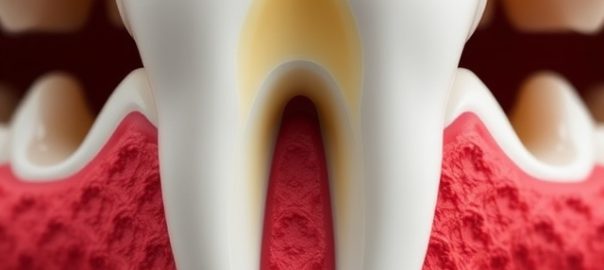
Root canal treatment (RCT) is a common dental procedure used to save teeth that are severely decayed or infected. While the procedure is essential for maintaining dental health, many patients often wonder why the cost of root canal treatment varies significantly across clinics in Delhi. Here’s a breakdown of the factors that influence the pricing, a cost comparison for various scenarios, and how to choose the right clinic for your treatment.


Root Canal Treatment Pricing: From Start to Finish

The cost of a root canal treatment can range significantly depending on the complexity of the case, the materials used, and the type of clinic you choose. Below is an estimated price range for RCT in Delhi across different scenarios:

Type of Tooth Estimated Price Range (INR) Factors Influencing Price
Front Teeth (Single Root) ₹3,000 to ₹8,000 Simpler procedure, fewer roots, less complex treatment.
Premolars (Two Roots) ₹5,000 to ₹12,000 More complex than front teeth but still manageable. The cost depends on the clinic and materials used.
Molars (Three or More Roots) ₹7,000 to ₹20,000 The most complex, requires more time, skill, and resources. Root canals for molars often involve longer procedures.
Retreatment of Root Canal ₹10,000 to ₹25,000 Higher cost due to the complexity of removing and cleaning old materials, which requires more advanced technology and procedures.
Crown Placement After RCT ₹4,000 to ₹15,000 (depending on material) Required to seal the tooth after RCT. Prices vary based on the material (metal, ceramic, zirconia, etc.) and quality of work.

Factors Affecting the Cost of Root Canal Treatment

  1. Type of Clinic or Hospital
    The cost of RCT can differ based on whether you visit a private clinic, a dental chain, or a hospital. Private clinics often offer personalized care, which may come at a slightly higher cost, while dental chains might provide services at a standardized rate.
  2. Experience of the Dentist
    Dentists with extensive experience may charge more for their expertise. The cost often reflects their skill and success rates.
  3. Materials Used
    The quality of materials used for filling the canal or placing the crown significantly affects the cost. Premium materials ensure longer-lasting results but can increase the treatment price.
  4. Complexity of the Case
    A straightforward root canal on a single-rooted tooth will cost less compared to a multi-rooted molar, which is more complex and time-intensive.
  5. Additional Procedures
    If your tooth requires a crown after the root canal or if there’s an infection that needs extra care, the cost will rise.
  6. Clinic Location
    Clinics in prime areas or high-rent locations, like upscale neighborhoods in Delhi, might charge higher fees compared to those in other parts of the city.

Why Do Some Clinics Charge High While Others Charge Low?

  1. Technology and Equipment
    Clinics equipped with advanced dental technology, such as microscopes for precise treatments or digital imaging, may charge higher fees for the added benefits.
  2. Level of Care and Service
    Premium clinics offering a luxurious or patient-focused experience often include these factors in their pricing. On the other hand, budget clinics may limit additional amenities to keep costs low.
  3. Post-Treatment Care
    Some clinics include follow-up visits, adjustments, or consultations in their charges, while others may not, leading to differences in pricing.

How to Choose the Best Clinic for Root Canal Treatment in Ashok Vihar, Delhi

  1. Research and Reviews
    Look for clinics with good patient reviews and testimonials. Word of mouth or online reviews can give you insights into the quality of care provided.
  2. Dentist’s Expertise
    Verify the credentials and experience of the dentist performing the root canal treatment. A well-trained and experienced dentist ensures better outcomes.
  3. Transparency in Pricing
    Choose a clinic that provides a clear breakdown of the costs involved, so you know exactly what you’re paying for.
  4. Convenience and Accessibility
    Opt for a clinic in a convenient location like Ashok Vihar, especially if follow-up visits are required.
  5. Value Over Cost
    While cost is an important factor, prioritize quality and care. A low-cost treatment might not always yield the best results.

Final Thoughts

The cost of root canal treatment in Delhi varies depending on multiple factors, but understanding these variables can help you make an informed decision. Remember, the goal is to preserve your natural teeth and prevent future complications, so investing in quality care is always worth it.

If you’re looking for a trusted dental clinic in Ashok Vihar such as Dr. Nivesh Kakkar Dentals where we have experienced & skilled team of dentists with premium patient care at very affordable price.

Laser Dentistry, The Modern Approach to Dental Care

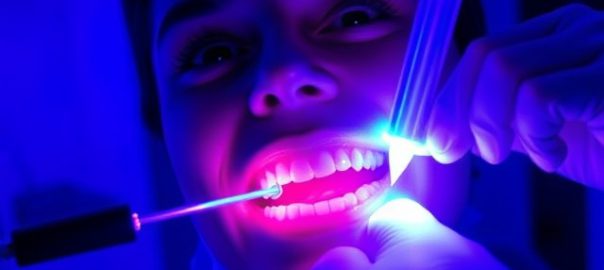
Advancements in dental technology have revolutionized patient care, and Laser dentistry is at the forefront of this transformation. With its ability to perform precise procedures with minimal discomfort and faster healing times, Laser technology is becoming a preferred choice for many dental treatments. If you’ve been curious about what Laser dentistry entails and how it’s shaping the future of oral health, this blog offers a comprehensive overview.

What is Laser Dentistry?

Laser dentistry utilizes focused light energy to carry out various dental procedures. These lasers can remove or reshape soft tissue, target decay, or activate whitening agents. Unlike traditional tools, lasers offer greater precision and often eliminate the need for drills or sutures, making treatments less invasive and more comfortable for patients.

Applications of Laser Dentistry

While Laser dentistry covers a broad range of procedures, here are some of the most common applications:

1. Gum Contouring and Reshaping

Laser technology is frequently used to sculpt gum lines for patients with uneven gums or a “gummy smile.” This technique allows dentists to reshape soft tissue with precision, achieving a symmetrical and aesthetically pleasing result.

2. Teeth Whitening

In cosmetic dentistry, Lasers can activate bleaching agents used in teeth whitening treatments. This method accelerates the whitening process and produces noticeable results in a shorter time frame compared to traditional methods.

3. Treatment of Gum Disease

For patients with periodontal disease, Lasers are employed to remove bacteria and infected tissue from gum pockets. This non-invasive method promotes healing and reduces discomfort during recovery.

4. Cavity Detection and Removal

Lasers can be used to detect cavities at an early stage and to remove decay without the need for traditional drills. This approach preserves more of the natural tooth structure.

Advantages of Laser Dentistry

Laser dentistry stands out due to its numerous benefits, which include:

  • Minimally Invasive Procedures: Reduced need for cuts, stitches, and drills.
  • Faster Healing: Lasers stimulate tissue regeneration, leading to quicker recovery times.
  • Reduced Discomfort: Many procedures require little to no anesthesia.
  • Precision and Accuracy: Targeted treatment minimizes damage to surrounding tissues.
  • Decreased Risk of Infection: The Laser’s heat sterilizes the treatment area, reducing bacterial growth.

Is Laser Dentistry Right for Everyone?

While Laser technology offers many benefits, it may not be suitable for every procedure or every patient. Factors like the type of treatment required, the patient’s oral health condition, and the dentist’s recommendation play a crucial role in determining its applicability.

Patients should consult with their dentist to understand if Laser treatments align with their dental needs. For those considering cosmetic procedures or treatments for gum disease, Laser dentistry can be a game-changer.

Traditional vs. Laser Dentistry: What’s the Difference?

The table below highlights the key differences between conventional dental methods and Laser dentistry:

Aspect Traditional Methods Laser Dentistry
Tools Used Drills, scalpels, manual tools Focused Laser beams
Pain Level Moderate Minimal to none
Healing Time Longer Faster
Need for Anesthesia Often required Rarely required
Risk of Infection Moderate Low

The Future of Laser Dentistry

The use of Lasers in dental care is still evolving, and ongoing research continues to unlock new possibilities. From reducing patient anxiety to enhancing the precision of surgical procedures, laser dentistry has the potential to revolutionize oral healthcare further. It’s an exciting time for both patients and practitioners as this technology continues to advance.

Final Thoughts

Laser dentistry is an incredible innovation that combines precision, comfort, and efficiency. While it’s not yet a universal solution for all dental needs, its applications in cosmetic procedures, gum treatments, and cavity care are changing the way people view dental visits. Clinics that stay updated with the latest technologies, like ours, set a benchmark for quality and patient care.

If you’re exploring advanced dental treatments or want to learn more about innovations in oral healthcare, stay informed about options like Laser dentistry. Whether you’re focused on aesthetics or seeking minimally invasive solutions, understanding the possibilities can help you take the next step toward achieving your best smile.


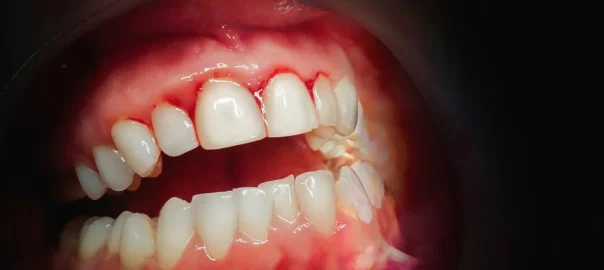
How to Stop Bleeding Gums at Home: Tips from Dr. Nivesh Kakkar

Bleeding gums can be alarming, but they are often a sign that your gums need extra care. As a one of the best dentist in ashok vihar, Dr. Nivesh Kakkar emphasizes that early intervention can prevent more serious gum issues like gingivitis or periodontitis. Here are some simple yet effective ways to stop bleeding gums at home:


1. Practice Good Oral Hygiene

The foundation of healthy gums is proper oral hygiene. Brush your teeth at least twice a day with a soft-bristled toothbrush to avoid irritating your gums. Don’t skip flossing! Flossing helps remove plaque and food particles trapped between your teeth and gums. You can also use interdental cleaners to ensure every nook is clean.


2. Rinse with a Mouthwash

An antibacterial or antiseptic mouthwash can help reduce the bacteria that contribute to gum inflammation and bleeding. Incorporate rinsing into your daily oral care routine for healthier gums.


3. Try a Salt Water Rinse

Rinsing your mouth with warm salt water is an age-old remedy to reduce bacteria and soothe gum tissues. Mix half a teaspoon of salt in a glass of warm water, and swish gently.


4. Apply Pressure with Gauze

If your gums are actively bleeding, apply gentle pressure using a gauze pad soaked in ice water. The cold temperature helps constrict blood vessels, stopping the bleeding effectively.


5. Boost Your Vitamin K Intake

Did you know that a diet rich in leafy greens like spinach, kale, and lettuce can help? These vegetables are packed with vitamin K, which plays a crucial role in blood clotting. Adding these to your diet can promote stronger gums.


6. Consider Vitamin Supplements

Bleeding gums can also be a sign of vitamin deficiencies, particularly vitamins C and K. Taking supplements or incorporating citrus fruits, bell peppers, and broccoli into your meals can make a significant difference.


7. Avoid Smoking

Smoking not only worsens gum bleeding but is a leading cause of gum disease. Quitting smoking can significantly improve your oral health and overall well-being.


Final Thoughts

Bleeding gums shouldn’t be ignored. While these home remedies can help manage the condition, persistent bleeding may indicate a more serious issue. Dr. Nivesh Kakkar recommends scheduling a dental check-up to identify and address the underlying cause of your bleeding gums. Prevention is always better than cure!

For personalized dental care and expert advice, book your appointment with Dr. Nivesh Kakkar today. Your gums deserve the best care possible.

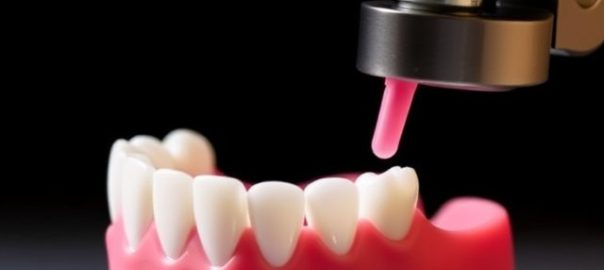
3D Printing in Dental Prosthetics: A Revolution in Precision and Patient Satisfaction

In the rapidly evolving world of dentistry, innovation is a constant. Among the groundbreaking advancements, 3D printing technology has emerged as a game-changer, particularly in the creation of dental prosthetics. With its ability to enhance precision, reduce production time, and deliver customized solutions, 3D printing is transforming the way dentists and laboratories approach prosthetic dentistry. Let’s delve into this fascinating topic and explore how this technology is reshaping smiles around the globe.

The Future of Smiles is Here

Imagine walking into a dental clinic and walking out with a perfectly customized dental prosthetic—all within a day. This is not science fiction; it’s the reality enabled by 3D printing technology.

What is 3D Printing in Dentistry?

3D printing, also known as additive manufacturing, is a process that creates three-dimensional objects by layering materials based on a digital design. In dentistry, 3D printing is employed to produce crowns, bridges, dentures, orthodontic devices, and other prosthetics with exceptional accuracy and speed.

Heading: Why 3D Printing is a Game-Changer in Prosthetics

  1. Precision at its Best Traditional methods of crafting dental prosthetics often involve manual labor and multiple steps, leaving room for human error. 3D printing eliminates this margin of error by using highly accurate digital scans and software to create prosthetics that fit perfectly.
  2. Speeding Up the Process What used to take weeks can now be accomplished in hours. 3D printing streamlines the production process, enabling dentists to provide quicker solutions to their patients.
  3. Customization Like Never Before Every patient’s mouth is unique. 3D printing allows for the creation of prosthetics tailored to an individual’s exact specifications, ensuring comfort and functionality.

The Step-by-Step Process of Creating 3D Printed Prosthetics

1. Digital Scanning and Designing

The journey begins with an intraoral scanner that captures a highly detailed 3D image of the patient’s teeth and gums. This scan is then used to design the prosthesis digitally, ensuring precision.

2. Material Selection

Dentists and technicians choose materials suitable for the type of prosthesis being created, such as resin, ceramic, or metal.

3. Printing the Prosthetic

The 3D printer layers the material according to the digital design. This process can take anywhere from a few minutes to a few hours, depending on the complexity of the prosthesis.

4. Finishing Touches

Once printed, the prosthesis undergoes finishing processes, such as polishing and coloring, to ensure it matches the patient’s natural teeth.

5. Fitting and Finalization

The final prosthesis is fitted into the patient’s mouth, ensuring comfort, functionality, and aesthetics.

Applications of 3D Printing in Dentistry

1. Crowns and Bridges

3D printing allows for the rapid production of highly precise crowns and bridges, reducing chair time for patients.

2. Dentures

The technology enables the creation of dentures that fit more comfortably and look more natural compared to traditional methods.

3. Orthodontic Devices

Aligners, retainers, and other orthodontic appliances can be produced quickly and with exact specifications using 3D printing.

4. Surgical Guides

For complex procedures like dental implants, 3D-printed surgical guides help ensure accuracy and reduce the risk of complications.

5. Temporary Restorations

Patients can receive temporary prosthetics while waiting for permanent solutions, thanks to the speed of 3D printing.

The Benefits of 3D Printing for Patients

1. Enhanced Comfort

Customized prosthetics fit better, leading to increased comfort and reduced adjustments.

2. Faster Turnaround

Patients no longer need to endure long waiting periods, as 3D printing significantly reduces production time.

3. Improved Aesthetics

With the ability to match natural teeth’s shape, size, and color, 3D-printed prosthetics offer superior aesthetics.

4. Reduced Costs in the Long Run

While the initial investment in 3D printing technology can be high, it reduces costs over time by minimizing material waste and labor.

Challenges and Limitations

1. Initial Investment

The cost of 3D printers and materials can be prohibitive for smaller dental practices.

2. Learning Curve

Dentists and technicians need to be trained in digital workflows and 3D printing technology.

3. Material Limitations

While advancements are being made, the range of materials suitable for 3D printing in dentistry is still somewhat limited.

Future Trends in 3D Printing for Dental Prosthetics

1. Bioprinting

The development of bioprinting technology could allow for the creation of prosthetics made from living cells, paving the way for regenerative dentistry.

2. Artificial Intelligence Integration

AI-powered software will further enhance the precision and efficiency of designing and printing dental prosthetics.

3. Sustainable Materials

As environmental concerns grow, the focus will shift toward eco-friendly materials for 3D printing.

The Smile Revolution

3D printing in dental prosthetics is more than just a technological advancement; it’s a revolution that enhances patient care, reduces treatment times, and offers unparalleled customization. For dentists in Delhi and beyond, adopting this cutting-edge technology signifies a commitment to delivering the best possible outcomes for their patients.

As we look ahead, the possibilities for 3D printing in dentistry are boundless. From bioprinting to sustainable solutions, the future holds incredible potential. For now, one thing is certain: 3D printing is here to stay, and it’s making the world of dentistry more exciting than ever.

Implant Dentistry Innovations: Immediate Loading Implants and Guided Surgery

In the bustling neighborhood of Ashok Vihar, Delhi, Dr. Nivesh Kakkar is redefining dental care through revolutionary advancements in implant dentistry. His clinic, renowned as the best dental clinic in Ashok Vihar, seamlessly blends expertise with the latest technologies. Immediate loading implants and guided implant surgery are two innovations that have transformed how dental implants are performed, delivering exceptional results in record time.

Redefining Smiles with Technology

What if you could walk out of a dental clinic with a restored, functional smile on the same day? Thanks to groundbreaking advancements, that vision is now a reality.

The Modern Approach to Dental Implants

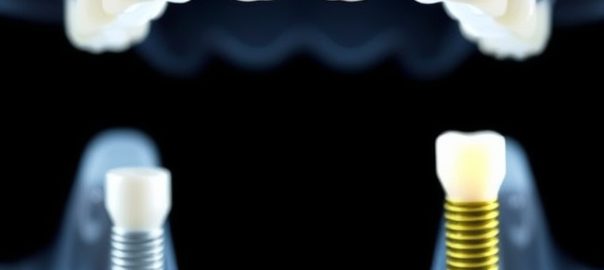
Dental implants are artificial roots placed in the jawbone to support replacement teeth, functioning like natural teeth. Traditional methods often required several months for the implant to integrate with the bone before attaching the prosthetic. However, with new technologies, this waiting period has been significantly reduced, making the process quicker and more efficient.

Immediate Loading Implants: A Leap Forward

What Makes Immediate Loading Different?

Unlike traditional implants, immediate loading implants allow the placement of a temporary crown on the same day as the implant procedure. This means patients no longer need to wait for months to regain their smile.

Advantages of Immediate Loading Implants

  1. Accelerated Results: Achieve a complete smile restoration in just one visit.
  2. Improved Aesthetics: A temporary crown immediately restores the appearance of missing teeth.
  3. Convenience: Fewer visits and quicker treatment times.
  4. Confidence Boost: Restore function and appearance simultaneously, enhancing self-esteem.

How Dr. Nivesh Kakkar Delivers Excellence

At his clinic in Ashok Vihar, Dr. Kakkar uses advanced diagnostic tools to ensure precise implant placement. This approach minimizes complications and maximizes patient comfort, earning him the title of the best dentist in Ashok Vihar.

Guided Implant Surgery: Precision Meets Innovation

What is Guided Implant Surgery?

This technique employs advanced digital imaging and 3D modeling to plan and execute implant placement with pinpoint accuracy. The process involves creating a custom surgical guide to direct the implant during the procedure.

Why Guided Surgery is a Game-Changer

  1. Exceptional Precision: Digital planning ensures implants are placed in the ideal position.
  2. Enhanced Safety: Reduces the risk of complications by planning every step in advance.
  3. Efficient Procedure: Minimizes time spent in surgery.
  4. Comfortable Recovery: Less invasive methods lead to quicker healing and reduced discomfort.

Steps in Guided Implant Surgery

  1. 3D Imaging: A detailed scan captures the structure of the teeth and jaw.
  2. Treatment Plan: Digital tools map out the ideal implant placement.
  3. Custom Guide Creation: A surgical template is crafted to ensure precise execution.
  4. Implant Placement: The guide directs the procedure, ensuring accuracy.

Why Patients Trust Dr. Nivesh Kakkar

With a commitment to utilizing the latest dental technologies, Dr. Nivesh Kakkar has positioned his clinic as a leader in guided implant surgery in Ashok Vihar. His patient-centric approach ensures optimal outcomes and lasting results.

Why Choose Advanced Implant Techniques?

Patients opting for immediate loading implants or guided surgery benefit from:

  • Tailored Treatment Plans: Personalized care ensures comfort and effectiveness.
  • Streamlined Procedures: Reduced treatment times mean quicker results.
  • Natural Appearance: Implants are crafted to blend seamlessly with natural teeth.
  • Durable Solutions: High success rates and longevity make them a worthwhile investment.

Common Questions About Modern Implants

1. Are these procedures safe?

Yes, both immediate loading implants and guided surgery use advanced tools to ensure safety and precision.

2. How long do these implants last?

With proper care, dental implants can last a lifetime, offering a reliable solution for missing teeth.

3. Is the procedure painful?

Thanks to minimally invasive techniques and local anesthesia, discomfort during the procedure is minimal. Recovery is also quicker compared to traditional methods.

Shaping the Future of Implant Dentistry

The future of dental implants is bright, with advancements such as:

  • Smart Implants: Sensors that monitor oral health in real-time.
  • Bioprinting: Development of implants using bio-compatible materials.
  • AI in Dentistry: Artificial intelligence to enhance precision and outcomes.


A New Era of Smiles with Dr. Nivesh Kakkar

Innovations like immediate loading implants and guided implant surgery are transforming the field of dental implantology. By combining expertise with advanced technology, Dr. Nivesh Kakkar continues to offer unparalleled care, making his clinic the best choice for dental solutions in Ashok Vihar.

For anyone seeking a seamless and efficient solution to missing teeth, Dr. Kakkar’s clinic stands out as a beacon of excellence. Schedule a consultation today and experience the future of dentistry firsthand.